Educational wellness guide • Dietary supplements are not a substitute for professional eye care
Plant-based daily eye support

Nourish Your Vision With a Smarter Daily Routine

VisiFlora is presented as a premium eye-support formula that combines antioxidants, vitamins, minerals, and plant-derived nutrients. It is designed for adults who want a convenient way to complement healthy screen habits, balanced nutrition, regular eye examinations, and a long-term approach to visual wellness.

Daily routine friendly Antioxidant-focused formula Plant-based positioning
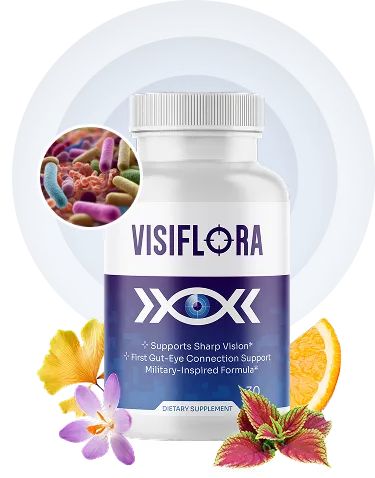
VisiFlora dietary supplement bottle for daily eye-support nutrition
Visual comfort Built for screen-heavy modern routines
Whole-body approach Includes an emerging gut–eye wellness concept

Complete overview

A Practical Guide to VisiFlora and Everyday Eye Wellness

Good eye care is rarely about one isolated action. It is usually the result of regular examinations, sensible screen habits, adequate sleep, balanced nutrition, protection from excessive ultraviolet exposure, and attention to health conditions that can affect the eyes. VisiFlora is positioned as a nutritional addition to that broader routine, not as a replacement for medical care, corrective lenses, prescribed treatment, or lifestyle fundamentals.

Why daily eye support matters

Modern eyes perform a large amount of near-focus work. Phones, laptops, tablets, televisions, and detailed indoor tasks can keep the visual system focused at close distances for long periods. People may notice temporary tiredness, dryness, difficulty refocusing, headaches, or blurred vision after extended device use. These symptoms are often grouped under digital eye strain. Screen discomfort is commonly connected with reduced blinking, glare, poor viewing distance, an uncorrected vision prescription, and working without breaks.

Aging adds another layer. The tissues of the eye are metabolically active and exposed to light and oxygen throughout life. Nutrition cannot stop normal aging, but adequate intake of vitamins, minerals, carotenoids, healthy fats, and colorful plant foods supports general health. This is the context in which eye-support supplements are usually considered: they may help fill nutritional gaps or provide selected nutrients in a consistent daily format.

What makes VisiFlora different

VisiFlora emphasizes more than a standard multivitamin approach. Its product story brings together antioxidant nutrition, support for delicate retinal and macular tissues, normal circulation, and the developing idea of a gut–eye connection. The formula is marketed for adults who want broad nutritional support rather than a quick fix. That distinction matters because responsible supplement use depends on realistic expectations and steady habits.

The most useful way to assess any eye formula is to read the current Supplement Facts panel, confirm the serving size, compare ingredient amounts, consider existing medications, and speak with an eye-care or healthcare professional when appropriate. Product labels and package offers can change, so the official page should be checked before ordering.

What is VisiFlora?

A Multi-Nutrient Formula Designed Around Daily Visual Resilience

VisiFlora is a capsule-based dietary supplement marketed to nourish the eyes from within. The product combines commonly discussed vision-support nutrients with botanical compounds and an emerging gut–eye wellness perspective. Its role is supportive: it is intended to complement a nutritious diet and sensible eye-care routine.

Support rather than treatment

The words “supports eye health” and “treats eye disease” are not interchangeable. VisiFlora is not an eye medication and should not be presented as a cure for macular degeneration, glaucoma, cataracts, retinal disease, dry-eye disease, infections, sudden vision changes, or any other condition. A supplement also cannot replace prescription glasses or contact lenses. Its intended value is nutritional support for adults who are already taking the practical steps that protect long-term health.

A balanced description is especially important because eye symptoms can have many causes. Temporary fatigue after computer work may improve with breaks and ergonomic changes, while persistent blur, pain, flashes, new floaters, double vision, a curtain-like shadow, injury, or sudden loss of sight requires prompt professional assessment. Delaying care while relying on a supplement can be dangerous.

A convenient routine for consistency

Many people understand that vegetables, fruits, adequate hydration, regular movement, and sleep support health, but consistency can be difficult. A premeasured capsule may make selected nutrients easier to include each day. The real advantage is convenience, not a promise of instant transformation. Nutritional support tends to be gradual, and individual experiences differ according to age, baseline diet, overall health, absorption, medication use, and the exact formula consumed.

VisiFlora can be viewed as one layer in a “vision wellness stack”: complete eye examinations; an up-to-date prescription; screen breaks; comfortable lighting; outdoor activity; sunglasses with ultraviolet protection; management of blood pressure and blood sugar; smoking avoidance; and a diet that includes leafy greens, colorful vegetables, fruit, legumes, fish or other healthy fat sources, and sufficient protein.
Formula goals

How VisiFlora Is Intended to Support Eye Wellness

The following benefits describe the product’s nutritional positioning. They are not guaranteed outcomes, and they should not be interpreted as disease-treatment claims.

Everyday visual comfort

The formula is designed for people whose eyes feel tired after prolonged reading, close-up work, or digital-device use. Nutritional support may complement practical habits such as regular blinking, scheduled breaks, and an appropriate screen distance.

Antioxidant nutrition

Antioxidants help the body manage normal oxidative processes. VisiFlora highlights vitamins and plant compounds that are commonly included in eye-focused nutritional formulas.

Macular nutrient support

Lutein and zeaxanthin are carotenoids found in the macular region of the retina. They are also found in foods such as kale, spinach, corn, peas, and egg yolks.

Normal circulation support

The product story includes botanical and nutritional support for healthy circulation. Circulation is a whole-body issue, so exercise, sleep, blood-pressure care, and medical guidance remain more important than any single supplement.

Gut–eye wellness concept

Researchers are studying how the gut microbiome, immune signaling, nutrient metabolism, and ocular tissues may interact. This is an evolving field and should not be treated as proof that a supplement can correct eye disease.

Plant-based ingredient profile

VisiFlora is marketed around plant-derived antioxidants and nutrients. People with allergies, dietary restrictions, or medication concerns should still check the full label before taking it.

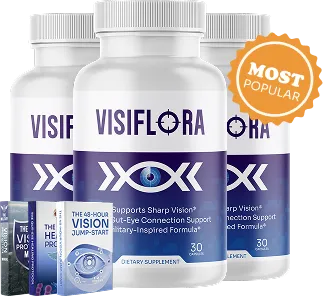
Multiple bottles of VisiFlora with digital eye-wellness guides

Designed for modern routines

Eye Nutrition Works Best When the Basics Work With It

Taking a capsule while ignoring screen ergonomics, sleep, nutrition, and medical advice is not a complete plan. A more realistic approach combines VisiFlora with habits that reduce unnecessary strain and support overall health.

Use the 20-20-20 ideaAbout every 20 minutes, look roughly 20 feet away for around 20 seconds to relax near focus.
Make blinking intentionalPeople often blink less while concentrating on screens, which can contribute to temporary dryness and irritation.
Improve your workstationReduce glare, increase text size, keep the display at a comfortable distance, and position the screen slightly below eye level.
Keep examinations currentAn outdated prescription or undiagnosed condition can make visual tasks harder and cannot be corrected by a dietary supplement.

Nutrient spotlight

Understanding the Types of Ingredients Associated With VisiFlora

The official product information highlights carotenoids, antioxidant vitamins, minerals, amino-acid-related compounds, and botanical extracts. Always use the current bottle label as the final authority because formulas and amounts can change.

01

Lutein and zeaxanthin

These yellow-orange carotenoids are concentrated in the macula and are widely studied in vision nutrition. They do not function as a universal treatment, and the usefulness of supplementation depends on a person’s needs and clinical context.

02

Beta-carotene and vitamin A

Vitamin A supports normal vision and other body functions. Smokers and former smokers should be especially careful with high-dose beta-carotene products and should discuss supplement choices with a clinician.

03

Vitamins C and E

These antioxidant vitamins participate in normal cellular protection. More is not automatically better, and high supplemental doses may be inappropriate for some people or interact with medicines.

04

Zinc, copper, and selenium

Minerals support many enzymes and biological processes. Their amounts matter because excessive intake can create imbalances. Compare the label with other multivitamins or mineral products you already use.

05

Bilberry and saffron extracts

These botanicals appear in a variety of eye-wellness products. Research interest does not mean every extract, dose, or finished formula has proven clinical effects.

06

Grape seed and quercetin

Plant polyphenols are commonly used for antioxidant positioning. People taking blood thinners or managing medical conditions should ask a professional about potential interactions.

07

Taurine and alpha-lipoic acid

These compounds are involved in normal physiology and are used in many wellness formulas. Product-specific outcomes cannot be assumed from research on isolated ingredients.

08

Ginkgo and eyebright

Traditional botanicals may appeal to consumers looking for plant-based support, but they can still cause side effects or interactions. “Natural” does not automatically mean risk-free.

Important ingredient note: Do not assume that VisiFlora matches the AREDS2 formula used for specific stages of age-related macular degeneration. People diagnosed with AMD should follow advice from their eye specialist and choose any AREDS2 product by comparing the exact ingredients and amounts recommended for their clinical situation.

Daily use framework

How to Fit VisiFlora Into a Responsible Eye-Care Routine

Consistency matters, but so does safety. Use this four-step framework rather than treating a supplement as a stand-alone answer.

1

Read the current label

Confirm the serving size, complete ingredient list, allergen information, warnings, manufacturing details, and expiration date. Do not rely on an old advertisement or a third-party summary.

2

Check for overlap

Compare VisiFlora with multivitamins, eye formulas, minerals, herbs, and fortified products you already use. Duplicate intake can push totals higher than expected.

3

Follow directions

Take only the amount stated on the bottle unless a qualified professional advises otherwise. Taking extra capsules does not guarantee faster or better results.

4

Evaluate realistically

Pay attention to tolerance, routine consistency, and practical comfort over time. Stop use and seek advice if you notice a concerning reaction or new symptoms.

Balanced comparison

VisiFlora Compared With Other Eye-Wellness Approaches

These options are not mutually exclusive. Most people benefit from combining professional care, nutritious food, and practical habits. Supplements may be an additional choice when appropriate.

Approach Main purpose Strength Important limitation
VisiFlora Broad daily nutritional support Convenient multi-ingredient format Not a treatment and outcomes vary
Colorful whole foods General nutrition and plant compounds Provides fiber and a broad nutrient matrix Requires regular meal planning
Screen-habit changes Reduce temporary digital-eye discomfort Directly addresses common behavior-related triggers Does not correct disease or refractive error
AREDS2 formula Specific clinical use in certain AMD stages Evidence-based for eligible patients Not intended for everyone; medical guidance is important
Eye examination Assess vision and eye health Can identify conditions and prescription needs Requires an appointment and follow-through

The clearest conclusion is that VisiFlora should occupy a supporting role. It may be appealing for convenience and ingredient breadth, but it cannot do the diagnostic work of an eye examination, the behavioral work of regular breaks, or the nutritional work of an overall healthy diet.

Research context

What Current Eye-Nutrition Research Can—and Cannot—Tell Us

Research on individual nutrients can provide useful context, but it should not be used to claim that a finished commercial formula produces the same outcome. Dose, formulation, population, duration, health status, and study design all matter.

Carotenoids and macular nutrition

Lutein and zeaxanthin receive considerable attention because they are found in macular pigment. Clinical studies have investigated whether supplementation changes macular pigment optical density and aspects of visual performance in specific populations. The National Eye Institute also includes lutein and zeaxanthin in the AREDS2 formula used for certain people with age-related macular degeneration.

That evidence must be interpreted carefully. AREDS2 is a specific formulation with defined amounts and a specific clinical purpose. It does not mean every eye supplement prevents AMD, restores vision, or is appropriate for every adult. People with diagnosed retinal conditions should seek personalized guidance rather than self-prescribing based on a marketing page.

Digital eye strain

Professional eye organizations describe digital eye strain as a collection of temporary symptoms related to prolonged device use. The most practical interventions involve breaks, blinking, glare reduction, comfortable viewing distance, correct prescriptions, and workstation changes. A supplement may support general nutrition, but it does not remove the behavioral cause of staring continuously at a nearby screen.

The gut–eye axis

The gut–eye axis is a credible research topic, not a settled consumer promise. Reviews discuss possible connections among microbial metabolites, immune activity, inflammation, the intestinal barrier, and ocular tissues. Most of this field remains mechanistic, observational, or disease-specific. More research is needed before broad claims can be made about improving eyesight through gut-focused supplementation.

Suitability and safety

Who May Consider VisiFlora—and Who Should Ask First

Supplement suitability is personal. Age, pregnancy, allergies, smoking history, diagnoses, surgery plans, and medications can change the risk–benefit calculation.

It may appeal to adults who:

  • Want a convenient, broad eye-nutrition supplement to complement a balanced diet.
  • Spend substantial time using computers or mobile devices and are also improving their screen habits.
  • Understand that nutritional support is gradual and that results are not guaranteed.
  • Are willing to review the full label and avoid unnecessary duplication with other supplements.
  • Continue regular comprehensive eye examinations instead of relying on self-assessment.

Professional guidance is especially important for:

  • People with diagnosed eye disease, sudden symptoms, eye injury, or recent changes in vision.
  • Anyone who is pregnant, nursing, under 18, preparing for surgery, or managing a chronic condition.
  • People taking anticoagulants, antiplatelet medicines, blood-pressure medicines, diabetes medicines, or multiple prescriptions.
  • Current and former smokers considering products that contain beta-carotene.
  • People with allergies or sensitivity to herbs, botanicals, capsule materials, or inactive ingredients.
Urgent eye warning: Seek prompt medical care for sudden vision loss, severe eye pain, flashes of light, a sudden increase in floaters, a dark curtain or shadow, chemical exposure, trauma, marked redness with pain, or new neurological symptoms. Do not wait for a supplement to help.

Review the Current VisiFlora Label Before Ordering

Confirm the complete Supplement Facts panel, serving directions, package contents, guarantee terms, shipping details, and final price on the official website.

Visit Official Website →

Common questions

VisiFlora Frequently Asked Questions

What is VisiFlora?

VisiFlora is a dietary supplement marketed for daily eye wellness. Its positioning combines antioxidant nutrients, vitamins, minerals, carotenoids, and botanical ingredients intended to complement healthy habits. It is not a prescription product and is not intended to diagnose, treat, cure, or prevent disease.

Does VisiFlora improve eyesight?

No responsible source can promise that VisiFlora will improve a person’s eyesight. Vision depends on many factors, including refractive error, retinal health, the optic nerve, the lens, the ocular surface, age, and systemic health. Some nutrients support normal eye physiology, but a supplement cannot replace glasses, contacts, examinations, or medical treatment.

Is VisiFlora useful for screen-related eye fatigue?

VisiFlora is marketed to support daily visual comfort, but screen-related fatigue is best addressed by changing how screens are used. Regular breaks, intentional blinking, reduced glare, suitable brightness, larger text, proper distance, and an updated prescription directly address common triggers. Nutritional support should be considered an additional measure, not the primary fix.

How long does VisiFlora take to work?

There is no universal timeline. Nutritional status, diet, age, health, consistency, and the reason for discomfort all influence a person’s experience. Be cautious of exact promises such as guaranteed changes within days. Persistent symptoms should be evaluated rather than observed indefinitely.

Can I combine VisiFlora with another multivitamin?

Possibly, but first compare the labels for overlapping vitamins, minerals, carotenoids, and herbs. Combining products can create unexpectedly high totals. A pharmacist, physician, registered dietitian, or eye-care professional can help assess the complete list of products and medicines you use.

Is VisiFlora the same as an AREDS2 supplement?

Do not assume so. AREDS2 is a specific nutrient formula studied for people with certain stages of age-related macular degeneration. Check exact ingredients and amounts and follow an eye specialist’s recommendation if you have AMD. A product using some similar ingredients is not automatically an AREDS2-equivalent formula.

What does the gut–eye connection mean?

The term describes research into possible relationships among gut microorganisms, nutrient metabolism, immune signaling, systemic inflammation, and eye tissues. It is a developing scientific area. It does not establish that changing the gut microbiome with a supplement will sharpen vision or treat an ocular condition.

Where should VisiFlora be purchased?

Use the official product page to review the current label, package options, pricing, delivery terms, customer-support details, and refund policy. Avoid relying solely on screenshots or third-party claims because offers and formulations can change.

Medical and affiliate disclosure: This page is educational and may contain a compensated outbound link. It does not provide medical advice. Statements about VisiFlora describe the product’s marketed purpose and are not guarantees. Consult a qualified healthcare professional before starting a supplement, especially when pregnant, nursing, taking medication, preparing for surgery, or managing an eye or medical condition.
Explore VisiFlora